

Free Bitcoin
Crash Course
- Enjoyed by over 100,000 students.
- One email a day, 7 Days in a row.
- Short and educational, guaranteed!
Know everything you need about Bitcoin.
Start now!
What would you like to
learn about Bitcoin?
Bitcoin Guides, Reviews & Tutorials for Newbies

Most Popular Reads:
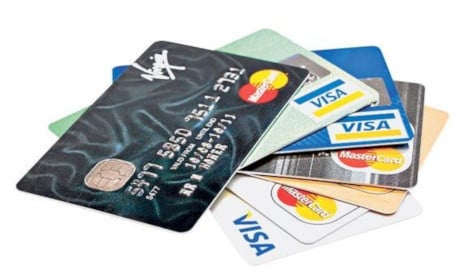
Buy Bitcoin with a Credit Card
These days it’s getting much easier to purchase Bitcoin with a credit card. The problem of chargebacks has been mitigated through anti-fraud companies, and more and more exchanges allow credit cards as a valid payment option. In this post I’ll review the most popular methods for buying Bitcoin with a credit card.
Read More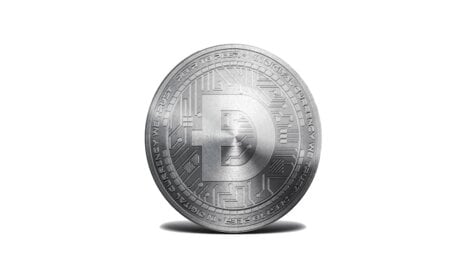
How to buy Dogecoin
Dogecoin is one of the oldest cryptocurrencies around. While it started out as a joke it quickly gained a lot of traction and a loyal community. In this post I’ll explain a bit about what Dogecoin is and how you can buy it online.
Read More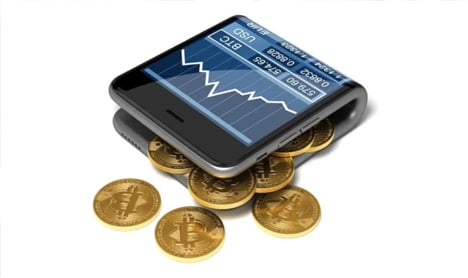
Bitcoin Wallet Guide
Bitcoin wallets are programs that allow you to send and receive Bitcoin. However, in order to choose the best wallet for your needs there are a lot of factors to take into account. In this post I'll cover everything you need to know about wallets and also review the best Bitcoin wallets around.
Read More
Bitcoin Exchange Guide
Choosing the best Bitcoin exchange can be an exhausting task. This post will explain the important factors to take into account when choosing a Bitcoin exchange. I will also give you a review summary of the leading Bitcoin exchanges.
Read More
Kraken review
Kraken is a veteran US-based cryptocurrency exchange that provides an advanced trading platform, complete with margin trading and OTC options. Previously scorned for the platform’s instability, Kraken has since revamped its service with a focus on security and customer support.
Read More
How to Buy Ethereum
Ethereum is a DIY blockchain platform with smart contract functionality. It's a platform for developers that was invented by Vitalik Buterin in 2013 to build decentralized apps. The platform has gained immense popularity and so did its currency, Ether. This post will cover the best ways to buy Ether online.
Read More
 Top products reviews





Ledger Review – A Complete Beginner’s Guide
The Ledger Nano X is one step ahead of other hardware wallets on the market today. The increased capacity for coins, combined with its bluetooth connectivity make it a powerhouse for managing crypto assets. Having said that, the user experience still requires some work.
Read MoreCoinmama Review – A Complete Beginner’s Guide
Coinmama’s brokerage service allows you to buy Bitcoin and other cryptocurrencies easily with your credit card, SWIFT or SEPA transfer. The company is focusing on customer experience and customer service so that transactions are super quick (user verification takes around 30 minutes).
Read MoreeToro Review – A Complete Beginner’s Guide
eToro is a digital global trading platform for currencies, cryptocurrencies, commodities, indexes and stocks. It currently has over 7 million users worldwide. With an angle on cryptocurrencies in this review, I’ll take a hands-on look at the eToro platform and its pros and cons. Note: This review will focus on eToro’s CFD services, if you want to read a complete review about eToro’s cryptocurrency exchange, eToroX, there will be a dedicated review for that soon.
Read MoreCoinbase Review – A Complete Beginner’s Guide
Coinbase is one of the biggest cryptocurrency companies around, supporting over 100 countries, with more than 30 million customers around the world.
Coinbase has a wide array of services but their main service allows users to buy and sell Bitcoins through a bank account, credit card and debit card. The rates you’ll get on Coinbase are fair in general, however the customer support is terrible.
Read MoreCEX.IO Review – A Complete Beginner’s Guide
CEX.IO is one of the more popular options for buying and selling Bitcoin and several other cryptocurrencies. The site offers a brokerage service that supports multiple coins and a trading platform for trading BTC, BCH, ETH and XRP.
If you’re a beginner it’s recommended to use the brokerage option rather than the site’s trading platform.
Read MoreLatest News

Crypto Developments in Asia: Regulatory Shifts in India, China’s Tether Crackdown, and Tether’s UAE Expansion
In the latest Asia Crypto Week in Review, new crypto regulatory developments in India and…
CME Group Announces New Bitcoin Spot Trading Plan to Take on Coinbase
At the intersection of old money and digital gold, the world’s leading derivatives marketplace, the…

Senate Overturn SEC Rule on Bitcoin and Crypto Custody, Biden Threatens to VETO Bill
As the latest twist unfolds for US Crypto Policy, learn about recent moves in the…
MakerDAO Price Analysis as MakerDAO to Launch Fully Decentralized Stablecoin
Explore the latest MKR Price Analysis. MakerDAO stands flat in the charts, and the MKR…